Research
DRACO investigates the security and resilience of computing systems at every level of abstraction — from transistor-level side channels to system-level threat models. Our applied research spans hardware security, side channel analysis, embedded systems, and AI-assisted vulnerability assessment, delivering open-source tools, reproducible methodologies, and field-tested solutions to our partners.
With over a dozen active researchers and nationally recognized cybersecurity education programs from K-12 through graduate level, every project we undertake doubles as a talent pipeline — producing publications and production-ready engineers in parallel.

Research Areas
Side Channel Analysis
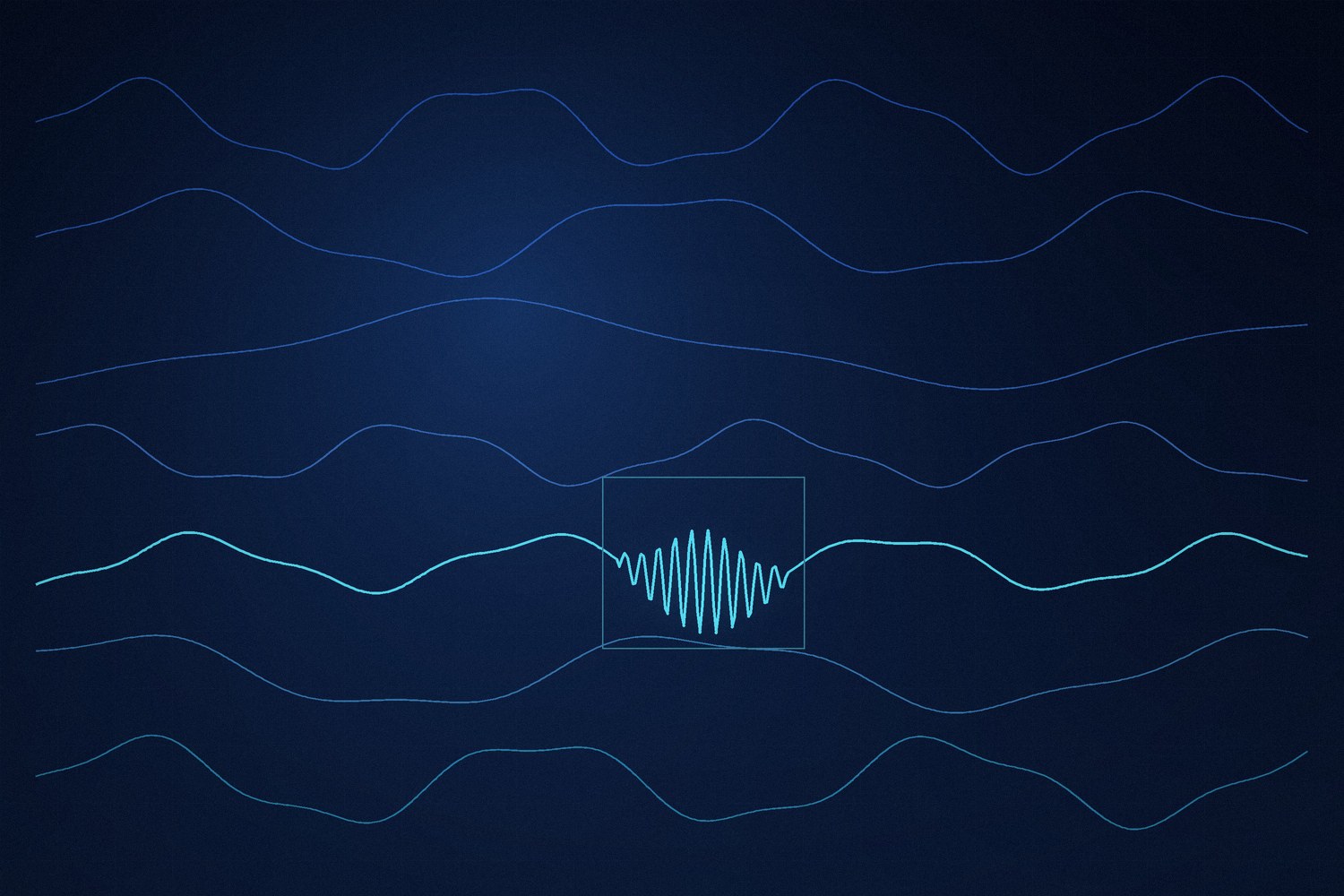
Power and electromagnetic analysis, and machine learning over the traces it produces. Shadow AI fingerprints workloads on machines we do not control; Trace-AI carries that from detection to attribution; Aegis measures what an edge ML accelerator gives up about its own model, and builds what closes the leak.
Hardware Trojans & Trust
Malicious logic, and the verification that is supposed to catch it. Dark Matter works the analog and mixed-signal blocks that digital verification never examines, following earlier lab work on FPGA bitstream Trojans. On the defense side, Dark Logic attacks the state explosion that keeps formal methods off production-scale designs, and RTL Insight builds the static analysis that makes large RTL legible in the first place.
Secure & Resilient Architectures
Architectures that keep their secrets. Encrypted processor frameworks and partially homomorphic execution in real hardware aim at computation that never exposes a plaintext operand; polymorphic components break the trace accumulation every side-channel attack depends on; Signal Insight asks what information theory can tell us about power before the simulator can.
Autonomous Systems & IoT
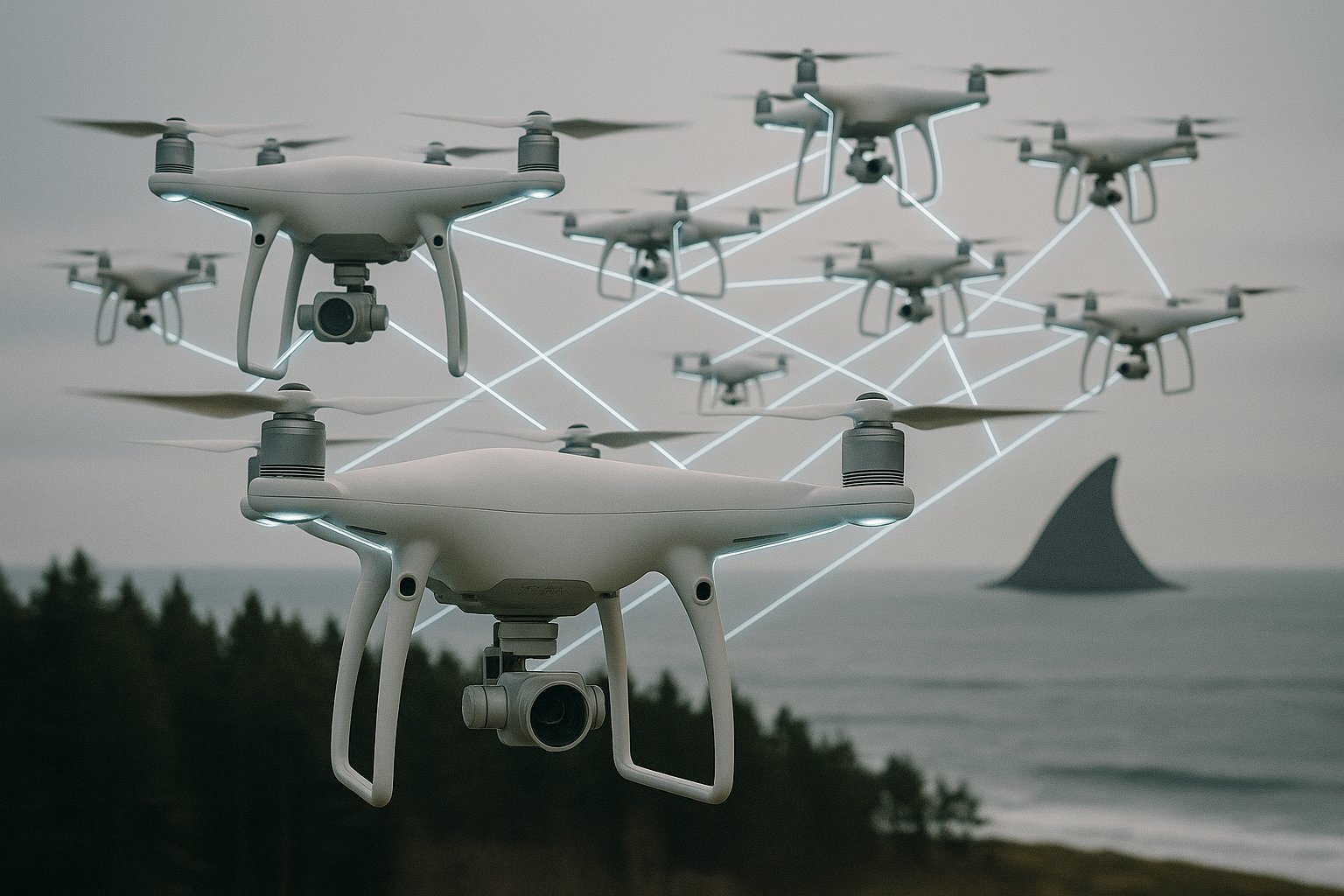
Coordination that survives contact with the field. SHARKS draws its coordination mechanisms from biology — collective behaviors that already evolved under predation and deception — and asks which missions each one can carry and what an adversary inside the group does to it. PUPS is the untethered platform that keeps those claims honest. CHIRP targets the other end of the scale — peer-to-peer networking on devices too small for a conventional stack.
Please note that the citations on this page were generated automatically from identifiers using the Manubot cite utility. Please reference the published version of the publications for accurate citation information.