Senior Design
DRACO sponsors senior design and capstone teams. The ideas below are scoped for two semesters of work by an ECE or CS team, with faculty oversight and lab hardware behind them — real, contained problems that produce something you can demo, not paper exercises.
These are distinct from our research projects, which take on students as research assistants over a longer horizon. If you are looking to join the lab rather than to run a capstone, start there.
Several of these ideas have been attempted before. That is deliberate: the prior teams’ work is documented, and the version number tells you how many runs an idea has had. Read what came before, then beat it.
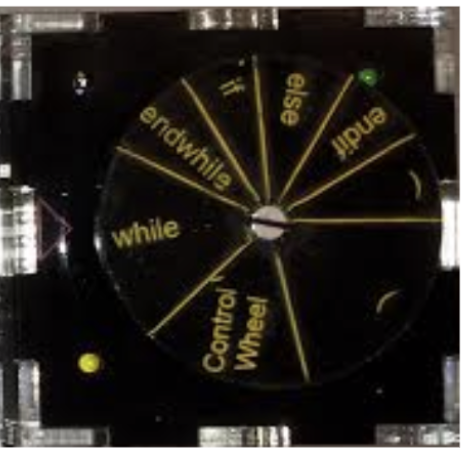
Build a block that performs one of several fundamental operations depending on its orientation and how it is manipulated; placed together, blocks compose into more complex programs. Blocks must be ultra-low-power and cost under five dollars per unit, and the delivered set should contain at least 25 of them. Prior attempts — v1, PDX capstone, 2015 and a UCF capstone team in 2024 — are worth reading before you start.
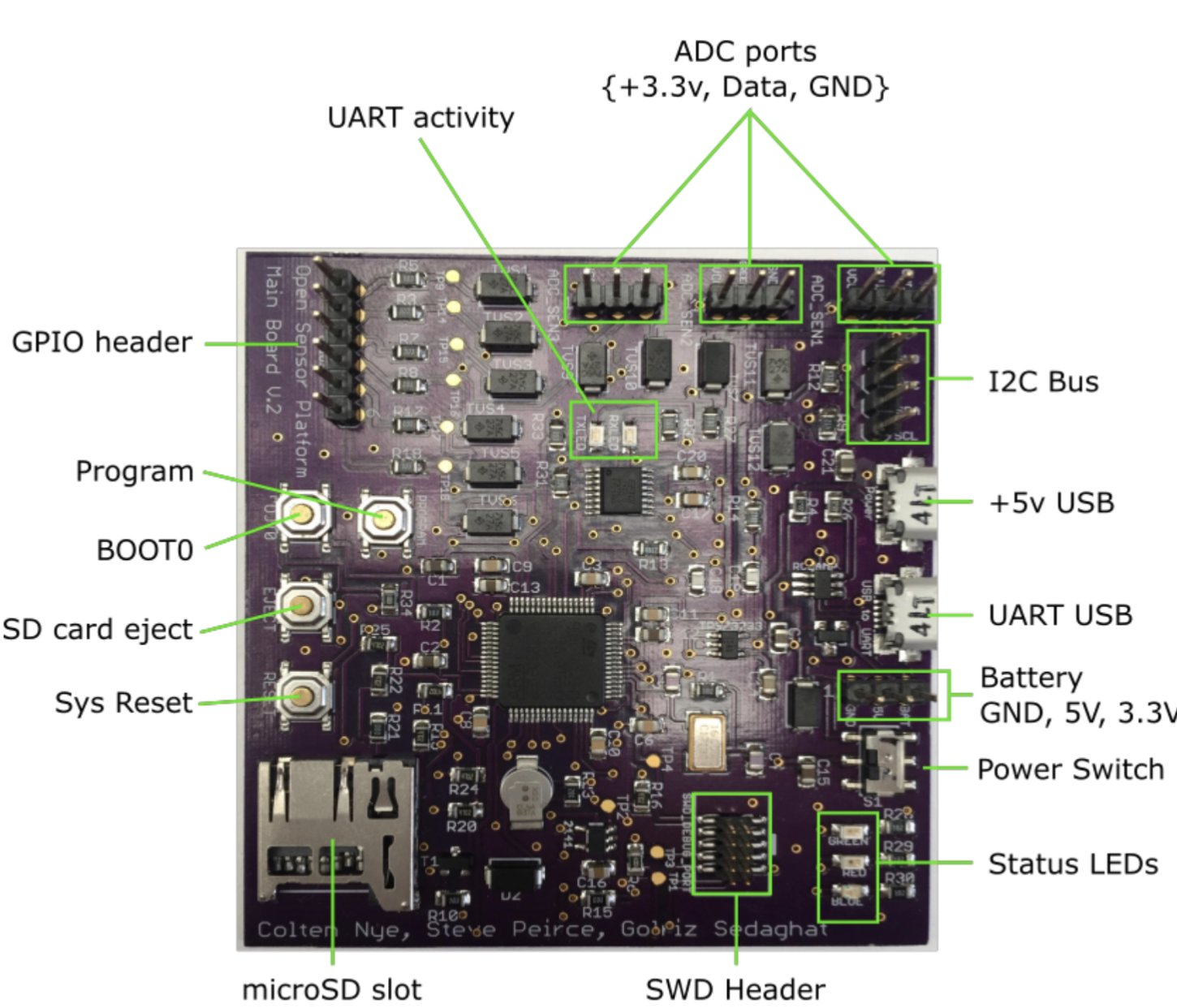
Build a data collection platform covering at least three environmental properties (temperature, weight or pressure, brightness). Trading sensor accuracy for simplicity is the point, not a compromise. The end user must be able to supply the model that converts raw measurements into known units. Prior attempts — v1, PDX capstone, 2015 and a UCF capstone team in 2024, who built the ESP32-based modular sensor platform — are worth reading before you start.
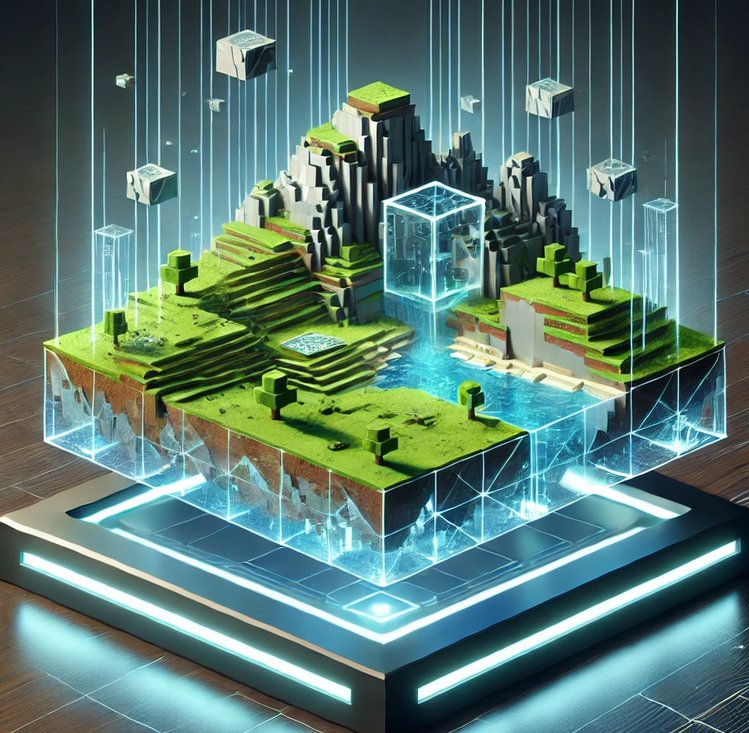
Develop a 2^n × 2^n grid of RGBW+ LEDs fed from the output of a cycle- or turn-based multi-agent simulator, with connectable segments so the grid can grow. The basic version uses a fixed 3D-printed topology lighting each unit square; the stretch goal replaces it with pneumatically controlled tubes under a flexible membrane.
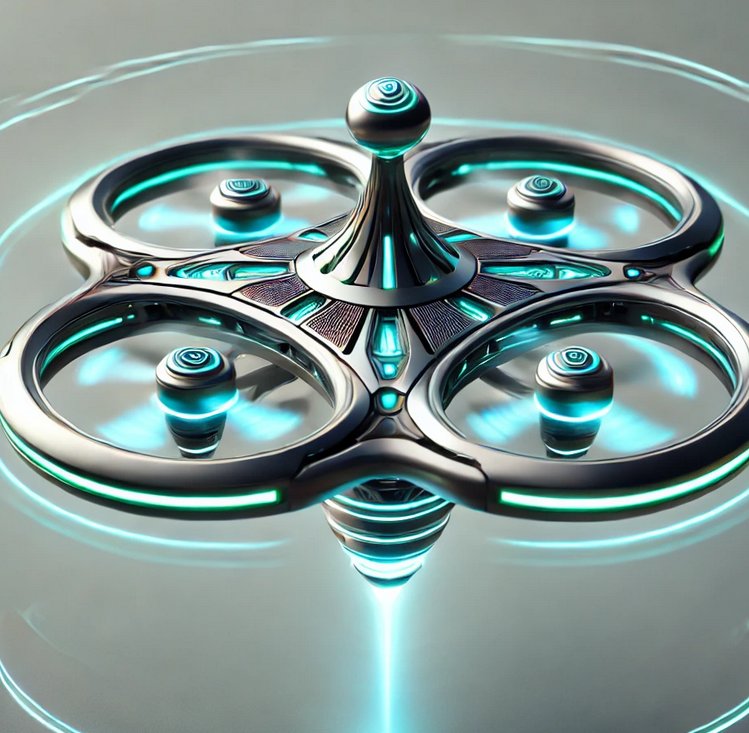
Develop a micro-drone under 250g whose main body spins continuously at a specified RPM while remaining fully controllable in XYZ. A hardware PID approach to spin correction is preferred over a software one. The spinning body must carry a distance sensor, and telemetry plus sensor data must reach the base controller.
Bring Your Own
If you have an idea that fits the lab — hardware security, embedded systems, side channels, autonomy, or anything that puts a student’s hands on real silicon — we will consider sponsoring it. Companies looking to scope a capstone project can find the details on Partner With Us.